
Your retail buyer asks for your co-packer's latest audit results.
You forward the request. Then you wait. And wait some more.
Sound familiar?
Many co-packers take forever to respond to these requests. Some dodge the question entirely. Others send outdated paperwork and hope nobody notices.
But a single food safety incident can derail your product launch, damage your brand reputation, and trigger expensive recalls. In that context, slow responses to audit questions aren't just annoying — they're a red flag.
At TEKPAK, food safety isn't something we scramble to prove when someone asks. It's built into how we operate every day. So when you need documentation, answers, or peace of mind, you get them — without the runaround.

QC testing at TEKPAK's Marion, AL facility — documentation is maintained and audit-ready at all times.
What an AA Rating Actually Means (And Why It Matters)
If you've ever reviewed co-packer certifications, you've probably seen "BRCGS certified."
BRCGS stands for Brand Reputation Compliance Global Standards — the food safety certification most major retailers require before they'll work with you.
But here's what many people don't realize: not all BRCGS certifications are created equal.
The system grades facilities from AA (highest) down through A, B, C, and D. Think of it like letter grades in school, except the stakes are your brand's reputation and your customers' safety.
An AA grade is the gold standard. It means a facility passed comprehensive inspections covering everything from building design to product handling, traceability, and management systems. To give you a sense of the scrutiny involved: even using an outdated BRCGS logo on a facility's website would constitute a minor nonconformance. That's the level of detail these audits involve.
TEKPAK holds a BRCGS AA certification at both Alabama facilities — the highest grade available under the Brand Reputation Compliance Global Standards audit system. Most major U.S. retailers require BRCGS certification before onboarding a co-packing or ingredient partner.
How TEKPAK's Two Facilities Measure Up
TEKPAK operates two Alabama facilities, each with its own specialty — and both carry the highest available score.
| Facility | Specialty | BRCGS Rating | Additional Certifications |
|---|---|---|---|
| Bessemer, AL | Blending, warehousing, co-packing | AA | USDA Organic · Gluten Free · OU Kosher |
| Marion, AL | Specialized co-packing operations | AA | USDA Organic · Gluten Free · OU Kosher |
What This Actually Does for Your Business
An AA rating isn't just something to put on your website. It creates real, day-to-day advantages for your brand:
- Lower risk. Solid food safety systems catch problems before they become disasters — fewer worries about contamination, mislabeling, or compliance issues.
- Faster retailer approvals. Retailers recognize an AA rating and ask fewer questions, helping you onboard quicker and reach shelves sooner.
- No documentation scrambles. When buyers or regulators ask for proof, it's ready — not "still being tracked down."
- Reliable production. Peak-season stress is real, but at least you're not worried about last-minute shutdowns or emergency re-certifications.
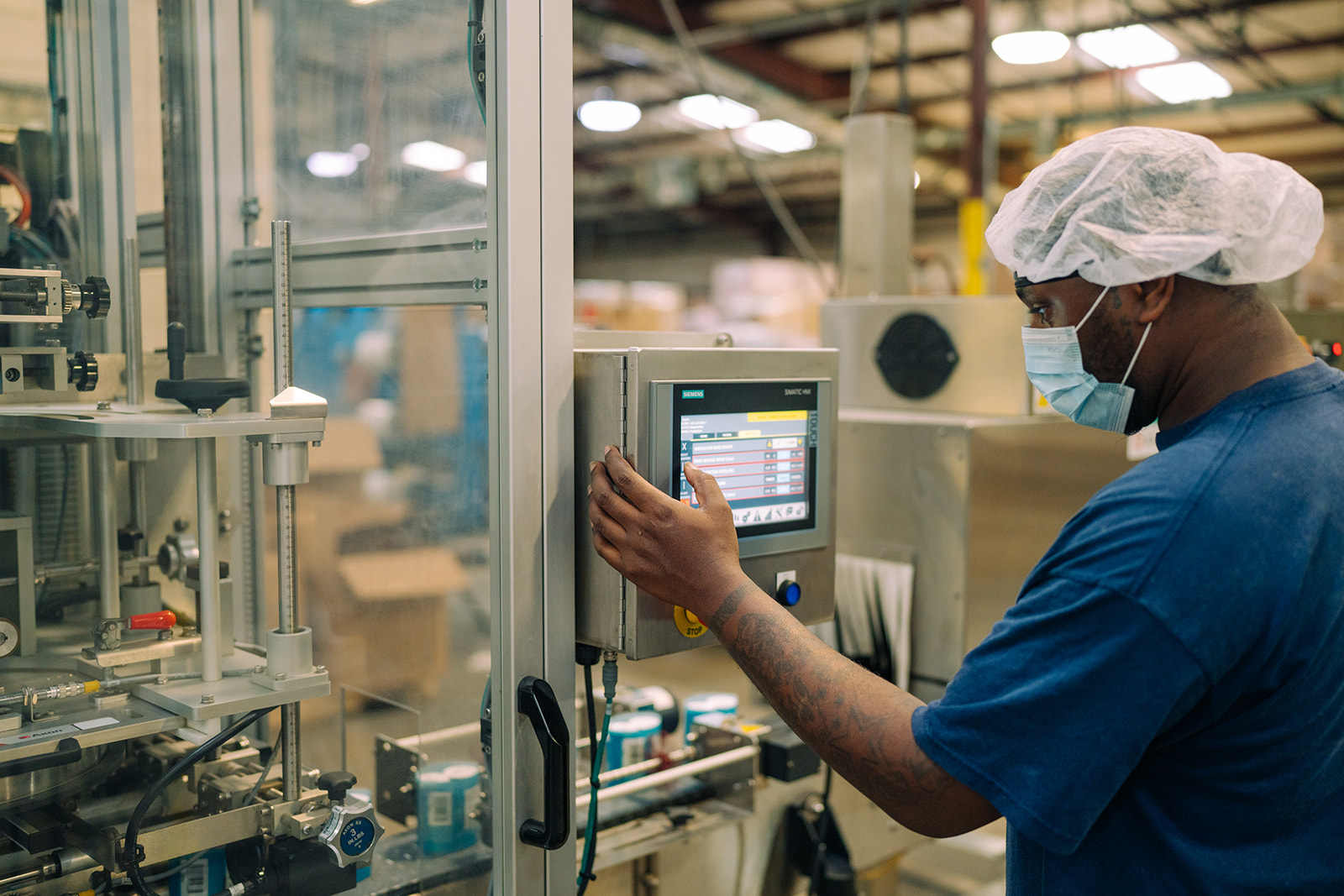
Every production line at TEKPAK's Marion facility is monitored by trained staff under active food safety protocols.
The Part of Food Safety That Doesn't Show Up on Score Sheets
Here's what most people miss about food safety audits: the real test happens between audits.
Because problems do come up. Equipment breaks. Ingredients arrive late. People make mistakes. That's manufacturing.
The question is: what happens next?
When Communication Breaks Down
Based on customer conversations, poor communication is one of the top reasons brands switch co-packers. Here's how it typically plays out:
- A quality issue pops up.
- The co-packer tries to "handle it internally."
- Production falls behind schedule.
- You find out only when shipments are already late.
- Retail deadlines are missed — and shelf space goes to a competitor.
All because someone decided not to pick up the phone.
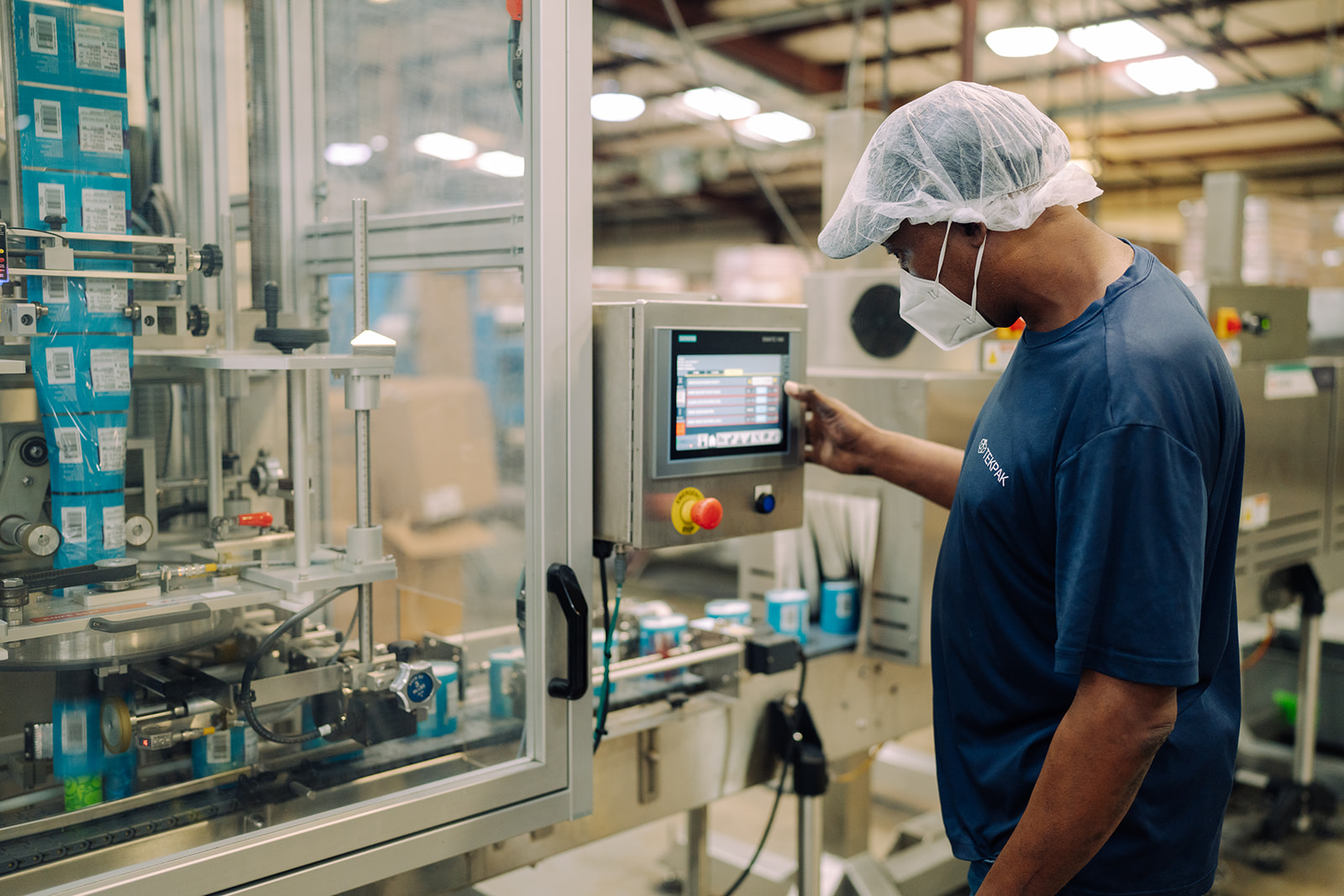
TEKPAK production teams use digital tools to track line performance and flag issues in real time.
How TEKPAK Does It Differently
At TEKPAK, customers have direct access to decision-makers — including our CEO, quality assurance, production, sales, and customer service teams.
Beyond good customer service, this open communication line is how we prevent small issues from turning into big ones. When something goes wrong (and eventually, something always does), you hear about it right away. Then you work together to fix it.
Reactive vs. Proactive: The Real Difference
Most co-packers work reactively. They wait for their annual audit, patch what's broken, and hope nothing fails before next year.
TEKPAK runs differently. We've built systems that monitor, document, and verify every process year-round. That kind of consistency doesn't happen by chance. It happens because:
- Our engineering team thinks three steps ahead.
- Our quality systems flag potential issues before they hit production.
- Our food-safety culture runs 365 days a year — not just during audit season.
For you, that means timelines you can count on, no surprise shutdowns, and consistent quality — batch after batch, to your specification.
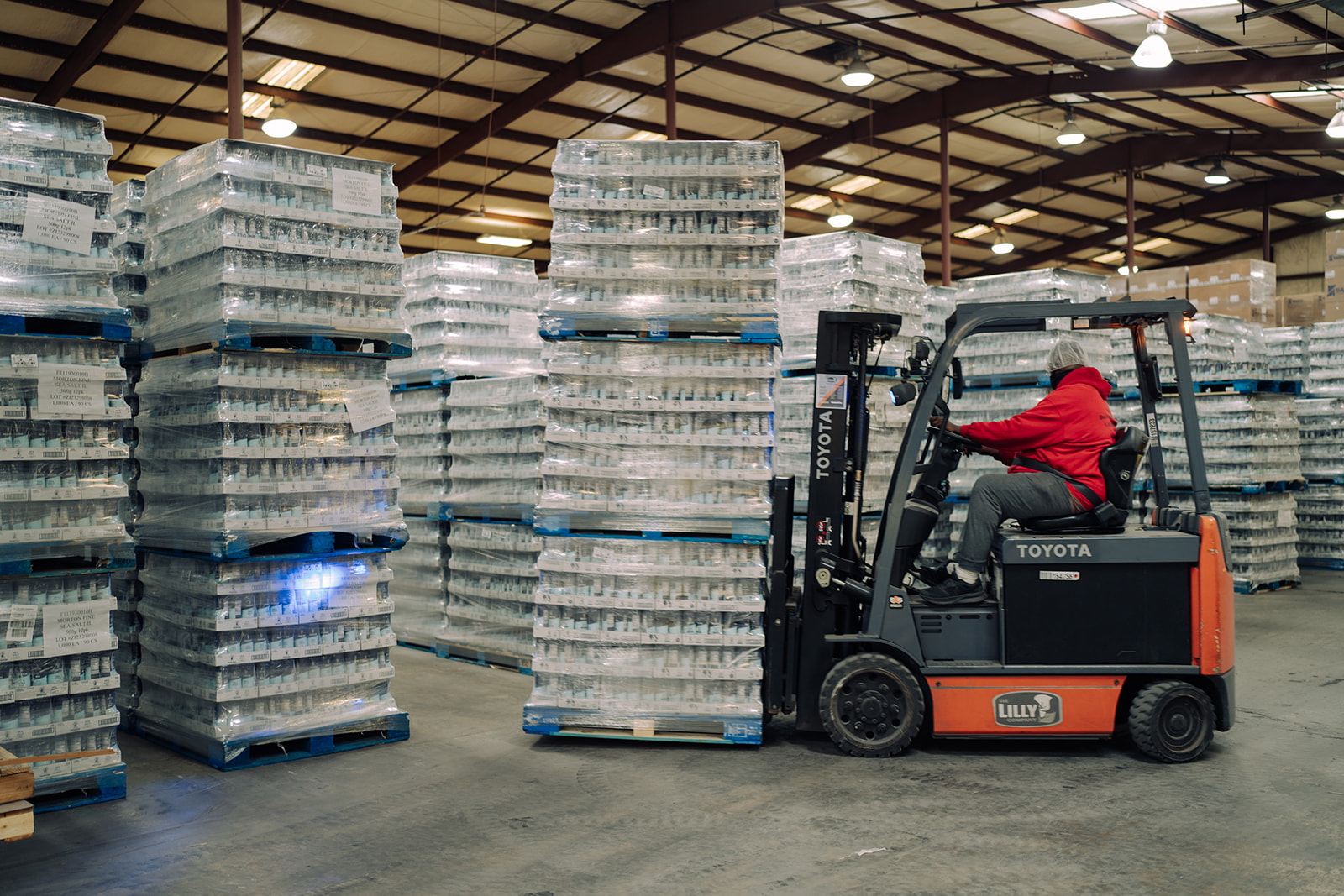
TEKPAK's Marion, AL warehouse — AA-rated, organized, and audit-ready year-round.
What Food Safety Excellence Actually Enables
Strong food-safety practices don't just prevent disasters — they make success possible.
Getting to Market on Time (Every Time)
New product launches come with deadlines that can't move. Marketing is scheduled, shelf space is set, sales forecasts are locked. If your co-packing partner slips, you don't just delay the launch — you can lose the opportunity altogether.
TEKPAK's track record of on-time delivery for new product launches is only possible because our safety and quality systems remove the usual roadblocks. No emergency re-work. No audit surprises. No "we're waiting on certification." Just production that runs when it should.
Protecting Your Brand When the Unexpected Happens
Think about what happens when a food safety scare hits your category. Maybe there's a contamination issue making headlines. Or a new regulation suddenly requires additional testing. Or retailers start demanding extra documentation.
If you're working with a reactive co-packer, you spend the next week scrambling to verify compliance. If you're working with TEKPAK, you're already ahead of it. That readiness acts like an invisible insurance policy — one that protects your reputation and keeps your supply chain moving even in volatile conditions.
Five Questions to Ask Any Co-Packer
Before you sign (or renew) with a co-packing partner, these questions help separate the solid operators from the ones cutting corners.
What "Best in Class" Actually Looks Like
After asking these questions, you should walk away with:
- Current audit results you can review immediately
- Direct contacts across quality, production, and customer service
- Written protocols for safety reporting and issue escalation
- A track record of reliable delivery and transparent problem-solving
If your current co-packer can't provide these basics, it might be time to look around.
The Real Meaning of an AA Rating
An AA food safety rating isn't wall decoration. It's proof of systems that work, accountability that matters, and a partnership you can trust.
For procurement teams, it means fewer emergency calls and more predictable schedules. For quality managers, it means instant access to documentation. For food safety leads, it means working with people who take their responsibilities as seriously as you take yours.
What separates a vendor from a true partner is trust — the kind that comes from transparency, clear communication, and a steady commitment to doing things right, day after day.
Want to see what best-in-class food safety looks like? TEKPAK's quality documentation and audit results are available on request. Whether you're evaluating co-packing partners, sourcing Dead Sea salt ingredients, or just want to understand what separates good from great in food manufacturing, we're here to answer questions.